Rhode Island · Kentucky Bluegrass

Kentucky Bluegrass
in Rhode Island.

Mowing, water and seasonal decisions for the grass you actually grow.

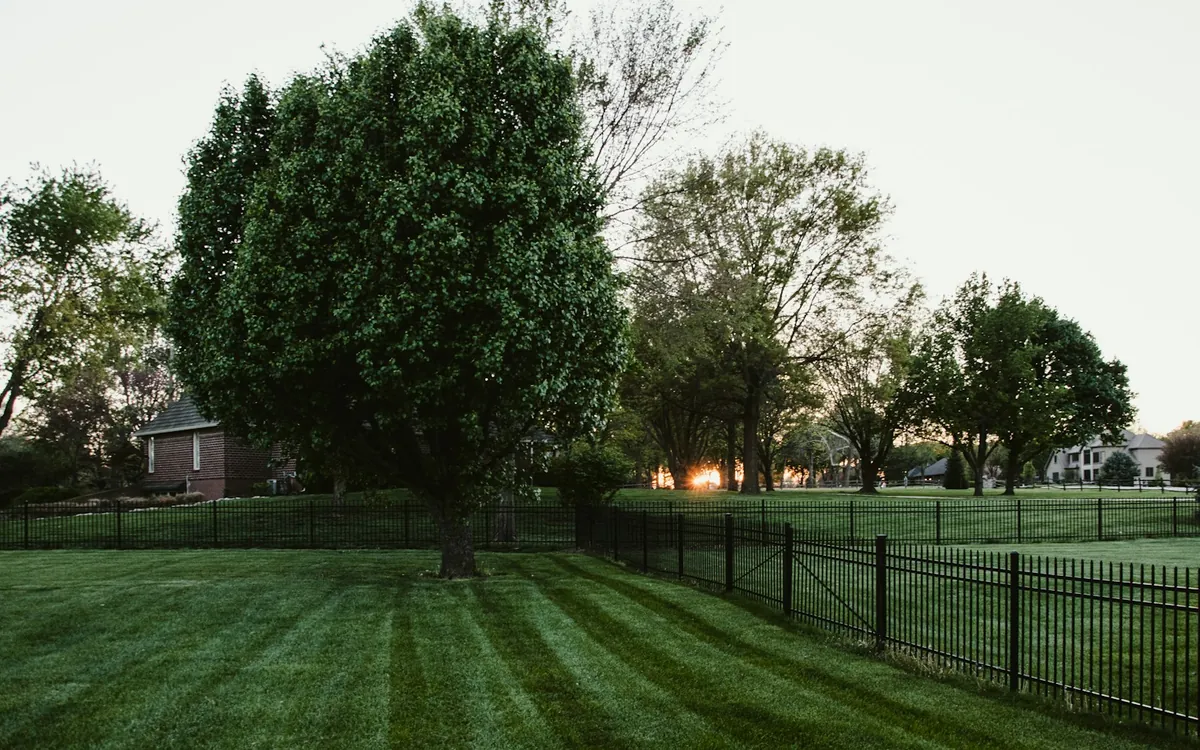
A lawn bordered by mature trees in evening light
A real garden setting. This photograph illustrates lawn care, not a particular state or grass species. Photo credits.
Make the plan fit your lawn.

Weather, soil and product formulations vary. Use local conditions and current product labels when deciding what to apply and when.

Kentucky Bluegrass is a cool-season grass. Start with its growing cycle, then adapt the work to your Rhode Island yard.

Know the grass you are caring for

Kentucky bluegrass is a cool-season grass that spreads through underground stems called rhizomes. Heat and drought can slow growth or cause dormancy; a brown patch still needs diagnosis.

Start with your Rhode Island site

Assess coastal exposure and tree shade separately before changing lawn inputs. This guide is for an existing kentucky bluegrass lawn; its inclusion does not establish that the grass is recommended everywhere in the state.

Plan by growth, not a fixed date

Growth resumes. Resume mowing as growth requires it, once the surface can support equipment. Plan nitrogen with local cool-season guidance rather than assuming every spring lawn needs feeding.

Heat and the main growing period. During heat or drought, reduce avoidable traffic and postpone disruptive renovation. Plan repairs for a favorable cool growing window, often late summer or early fall where enough establishment time remains.

Growth slows. Adjust mowing to actual growth. Do not fertilize frozen or snow-covered ground, and protect frosted or saturated turf from repeated traffic.

Mowing and repair

Choose a locally recommended home-lawn height and mow by growth, avoiding removal of more than one-third of the leaf at a time. Small gaps may fill through spreading growth; larger bare areas may need repair. Match seed varieties to your climate and site. See the bare-patch repair guide before preparing a seedbed.

Water and nutrients

Compare moisture beneath a struggling patch with nearby healthy turf and check sprinkler coverage before increasing every zone. There is no reliable national minutes-per-week setting. Use a catch-cup audit to measure what your system applies. For nutrients and pH, request soil-test recommendations for this grass and your measured lawn area; a fertilizer brand does not establish the correct dose.

When a patch looks wrong

Do not try to force a heat-stressed lawn green with extra fertilizer. Photograph the whole pattern and close leaf details before selecting a treatment. Brown patches have several possible causes. Confirm the weed, insect or disease and the grass before using a pesticide; follow the current label’s allowed uses, rate, timing and access instructions.

Three useful things to do next

Identify the species or mixture and save its label. Measure the area of actual turf. Start a simple log of mowing, rain, irrigation and unusual patches so the next decision has evidence behind it.

Sources and local guidance

University guidance supports the species facts and care principles here. Rates and dates in a regional source apply to that region; they are not national prescriptions. Use your local extension office for cultivar, soil-test and treatment decisions.

KEEP IT BY THE GARDEN DOOR

Your year at a glance.

Keep a one-page copy of this guide’s monthly checkpoints.

COAST TO COAST GRASSJANUARY - DECEMBER / REUSABLE EACH YEAR

Kentucky Bluegrass in Rhode Island

Assess coastal exposure and tree shade separately before changing lawn inputs.

Before you start: Weather overrides the month. Use favorable cool growth for repair; protect turf through heat, frost or saturation. Prepare water equipment before your first local freeze, even if earlier than shown.

  1. January

    Protect the surface

    Keep repeated traffic off frosted, frozen or saturated turf. Note where water collects.

    Check: Growing in a mild winter? Mow only as needed.

  2. February

    Prepare the kit

    Small gaps may fill through rhizomes; larger gaps can need seed.

    Check: Confirm the grass or seed mixture before ordering.

  3. March

    Watch the restart

    Inspect winter damage after thaw. Wait for firm ground before raking or mowing.

    Check: Use local weed timing; check any seeding restrictions.

  4. April

    Follow spring growth

    Mow at the local height for your grass. Check irrigation for leaks and blocked coverage.

    Check: Avoid heavy equipment on soft, wet soil.

  5. May

    Measure water

    Compare rain and irrigation with root-zone moisture. Check thin areas before buying treatments.

    Check: Feed only if the local nutrient plan calls for it.

  6. June

    Ease summer stress

    Keep the mower sharp and leave enough leaf. Reduce wear where growth slows.

    Check: Postpone disruptive work during heat or drought.

  7. July

    Check the dry spots

    Compare affected and healthy areas. Inspect sprinkler coverage before extending watering everywhere.

    Check: Summer browning needs a moisture and damage check.

  8. August

    Plan the repair window

    Measure bare areas and arrange suitable seed. Plan necessary coring around recovery conditions.

    Check: Wait for favorable weather and enough time to establish.

  9. September

    Repair if conditions fit

    Reseed or core only where needed during a suitable cool growing window. Protect new seedlings.

    Check: Check frost outlook, local timing and recent herbicides.

  10. October

    Keep light reaching turf

    Remove heavy leaf cover and mow while growth continues. Recheck repaired patches.

    Check: Late feeding or seeding depends on local guidance.

  11. November

    Wind down as needed

    Keep leaves from matting and protect wet turf. Winterize water equipment where freezing is expected.

    Check: Do not apply fertilizer to frozen or snow-covered soil.

  12. December

    Review the year

    Save photos, seed labels and your care log. Pick one recurring problem to investigate.

    Check: A mild site may still need mowing and moisture checks.

Spreading cool-season grass

Small gaps may fill through rhizomes; larger gaps can need seed.

Summer browning needs a moisture and damage check.

Use current local advice and product labels for treatments. New seed, sod and plugs need establishment care. This is a planning guide, not a monthly application schedule.

Sources: Colorado State Extension: Turfgrass species selection · USDA: Land-grant university directory. Prepared September 24, 2026.

MATCH THE TOOL TO THE TASK

Learn a new lawn.

As an Amazon Associate, we earn from qualifying purchases. Product links open specific Amazon listings; links labeled “search” open results for a tool type. These are researched options, not hands-on-tested rankings. How we use affiliate links.

Start with the measurements that make later purchases more accurate.

Borrow tools where practical. Identify the grass before buying treatments or repair material.

TOOL-TYPE SEARCH

Outdoor measuring tape

Measure actual turf, leaving out patios and beds, before buying seed or calculating applications.

Search Amazon options
TOOL-TYPE SEARCH

Rain gauge

Choose clear markings and a stable mount. Keep it away from roofs and sprinkler spray when measuring rainfall.

Search Amazon options
TOOL-TYPE SEARCH

Soil sampling probe

A clean trowel may be enough. Follow the receiving lab’s sampling depth and container instructions.

Search Amazon options
A different job? Find suitable tools
KEEP GROWING

A useful plan is one you can adapt. Return to your guide as the seasons change.

Find another lawn plan