What core aeration does
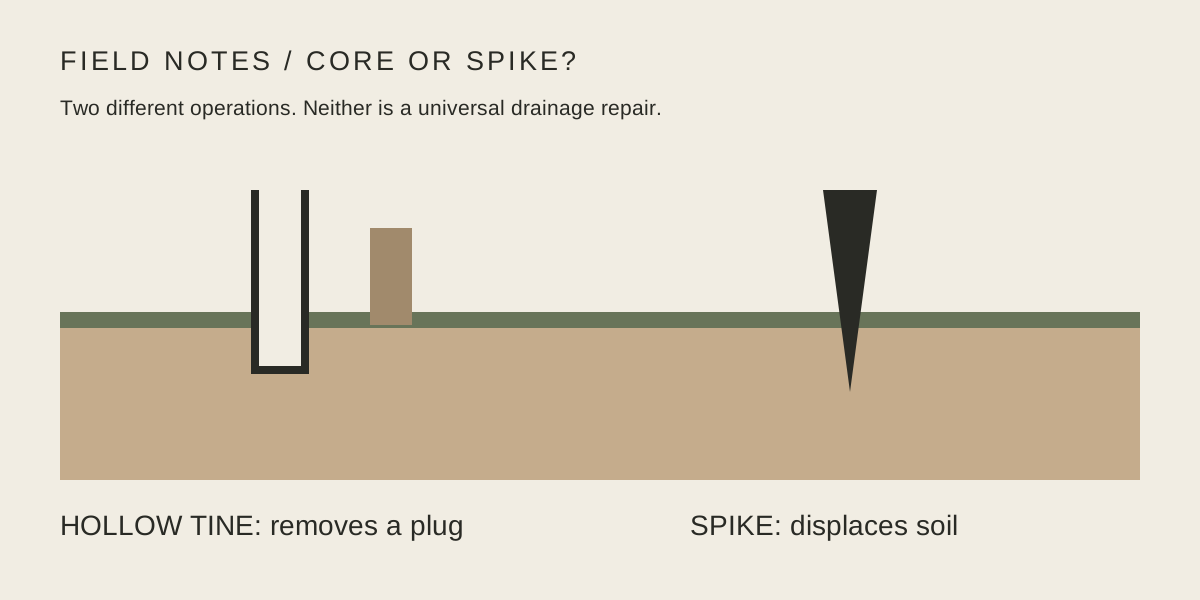
A hollow-tine machine removes small plugs from the soil. This can relieve compaction and improve movement into the root zone. Spike tools make holes without removing a core; they do not perform the same operation. Aeration is not a guaranteed cure for drainage, moss, weeds or lawn disease.
Decide whether the lawn needs it
Compare a worn route with an unworn area under similar soil moisture. Inspect rooting and soil firmness, and note standing water. Compaction can justify aeration, while shade, a low spot receiving runoff or unsuitable soil depth may require another response. A healthy lawn does not automatically need this job every spring.
Use the grass’s recovery window
Cool-season lawns are commonly aerated in early fall or suitable spring conditions, following local guidance. Warm-season lawns generally recover best during active warm growth after green-up. Avoid frozen, saturated, dormant or severely drought-stressed turf, and leave enough favorable growing time for recovery. A month on a national calendar cannot make that decision.
Prepare before equipment arrives
Mark sprinkler heads, shallow irrigation components and other known obstacles. Arrange appropriate utility-location checks before work where needed. Soil should permit useful cores without smearing wet ground. Ask an equipment provider how to operate the machine safely on your site, including slopes and roots.
Coordinate repairs and weed prevention
If reseeding, match the seed and timing to your grass and site. Check any recent or planned preemergent herbicide label because establishment restrictions may apply. Continue species-appropriate watering and mowing as the lawn recovers; extra fertilizer is not an automatic requirement. See clay and compaction and standing-water diagnosis.
Is aeration the next useful job?
Inspect a worn area and a healthy area under similar moisture conditions. Dry soil alone can feel hard, so a single screwdriver test is not a complete diagnosis.
Download the printable worksheet One page · PDF · print or fill in a compatible PDF app
| What you find | What to investigate | A practical next step |
|---|---|---|
| Hard, worn soil on a regular route | Roots and soil condition compared with an unworn area. | Reduce repeated traffic and consider core aeration in a suitable recovery window. |
| A low spot receiving roof runoff | Where the water arrives and where it can leave. | Assess drainage; holes alone may not correct concentrated runoff. |
| Thin turf beneath dense shade | Actual light, roots and use of the area. | Assess whether grass belongs there before renting an aerator. |
| Saturated or smearing soil | Whether the ground can support equipment without rutting. | Postpone the job until conditions are suitable. |
| Healthy, dense turf with no clear compaction issue | What specific improvement the job is intended to produce. | Keep monitoring; an annual aeration purchase is not automatic. |
- Define the area
Mark the part that needs work and measure it. Do not assume the whole yard has the same problem.
- Choose equipment for the scale
Compare a hand tool, rental machine or service based on area, access, slope and effort. Follow the equipment manual.
- Check the result and recovery
Confirm that useful soil cores are being removed, then inspect the turf as growth resumes. Keep photos from the same location.
If seeding is part of the work, check recent and planned herbicide labels before arranging both jobs. Aeration is not a way to cancel a product’s establishment restrictions.
Your field record
Copy these headings into a notebook or a note on your phone, then keep the before-and-after observations together.
- Grass and intended work area
- Reason aeration is needed
- Soil condition and recovery season
- Marked obstacles and equipment choice
- Before-and-after rooting and turf photos
What should happen to the soil plugs afterward?
Check a short trial pass: hollow tines should actually remove cores, rather than leave only surface punctures. Follow the equipment instructions, and stop if the ground is rutting or smearing. A machine moving across the lawn does not by itself show that the intended job was completed.
Penn State’s April 2025 seasonal lawn guide advises letting the removed plugs dry before breaking them apart. This aftercare belongs to its cool-season lawn guidance; it does not set the aeration date for warm-season turf. Penn State Extension: Lawn management through the seasons, updated April 30, 2025.
Keep routine core aftercare separate from a renovation project involving seed or amendments. If either is planned, use the relevant grass, soil and product instructions. A visible layer of cores is not a reason to buy sand or fertilizer automatically. Separate compaction from soil texture and check the repair plan before adding another job.
A small, useful toolkit.
Start with what you own. Links labeled search open Amazon results; named models open specific listings. These are researched options, not tested-product rankings. As an Amazon Associate I earn from qualifying purchases. Affiliate disclosure.
Work a genuinely small compacted area
A hollow-tine hand tool can fit a small patch. Compare the effort with rental or a service for a whole lawn.
Search Amazon: Hollow-tine hand aerator (paid link)Mark known irrigation obstacles
Use visible markers and arrange the appropriate utility-location checks before equipment work.
Search Amazon: Garden marking flags (paid link)Sources and local guidance
The references below support the care and identification principles. The worksheet organizes your observations; it is not an on-site diagnosis. Use current local advice and product labels for treatment decisions.