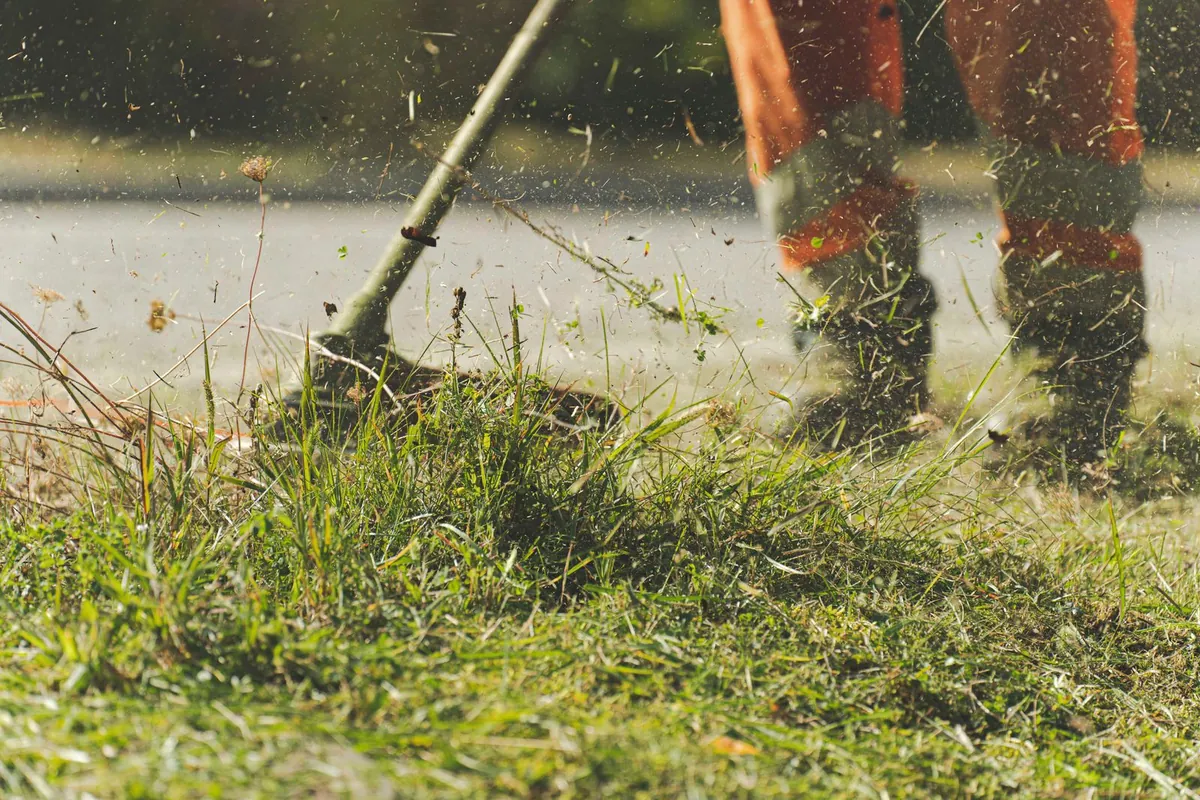
Low-mow turf, a flowering bee lawn and a meadow are different projects. Define the space you want to use and the work you want to reduce. A small trial can show how an alternative looks and behaves before it becomes the whole front yard.
Match the design to the activity
Keep frequently used play and walking spaces in the plan. Place flowering areas where their height, insects and seasonal appearance fit how the yard is used. Minnesota’s bee-lawn guidance illustrates a turf-and-flower approach for that region; it is not a universal seed recipe for every climate.
Choose plants with local guidance
Check which grasses and flowers suit your soil, sunlight and region, and how they are established. Ask about spread, mowing and seasonal changes before buying. Maryland Extension’s pollinator guidance provides another perspective on supporting beneficial insects while managing a home landscape.
Write a maintenance agreement with yourself
Choose a trial boundary, the intended mowing approach and what success looks like after a full growing season. Photograph flowering, bare periods and wear. Discuss the appearance with others who share the space and check any applicable property rules. “Less mowing” still involves establishment, weed observation and periodic decisions; choose a version you can maintain.
A bee lawn needs suitable flowers, not just longer grass
Minnesota’s current bee-lawn guide recommends fine fescue mixtures with suitable low-growing flowers, including white clover and self-heal. It now says creeping thyme is no longer recommended for its bee-lawn mixtures because of long-term observations and seed availability. Older examples may still list thyme, so use the current recommendation when comparing seed.
A Minnesota bee lawn is a regional example, not a nationwide seed recipe. The guide distinguishes flower establishment from a conventional fall grass repair. Check local plant suitability, the intended use and current establishment advice before ordering a mix. Minnesota Extension: Planting and maintaining a bee lawn.
Plan one usable trial area
Sketch a flowering area beside a maintained walking route. Keep notes on flower cover, bare ground and how people use it. Compare those observations with the work involved before extending the trial. An unmown patch with no suitable flowering plants is not evidence of improved pollinator habitat.
Check whether the site receives enough light before replacing the grass.
Check the care routine and the plants before reseeding
Broadleaf lawn treatments can remove the flowers intended for a bee lawn. Excess fertilization can favor grass over those flowers. Review the trial’s application history before buying a new mix or treating unwanted plants; identify the desired seedlings separately from weeds. UMN Extension: Bee-lawn maintenance and establishment, reviewed 2025.
Judge establishment and flowering separately. In UMN’s Minnesota experience, year one can show mainly grass and flower foliage with limited clover bloom; self-heal flowering may appear in year two. This is a regional example, not a guaranteed timetable. A flower-free first season alone does not demonstrate that every intended plant failed.
Record the species present, bloom, applications and bare ground with the existing trial notes. Keep the current creeping-thyme correction when comparing mixtures; older examples on the source page do not reverse its explicit withdrawal.
Do not scatter a generic wildflower mixture into turf and assume it will become a stable flowering lawn.