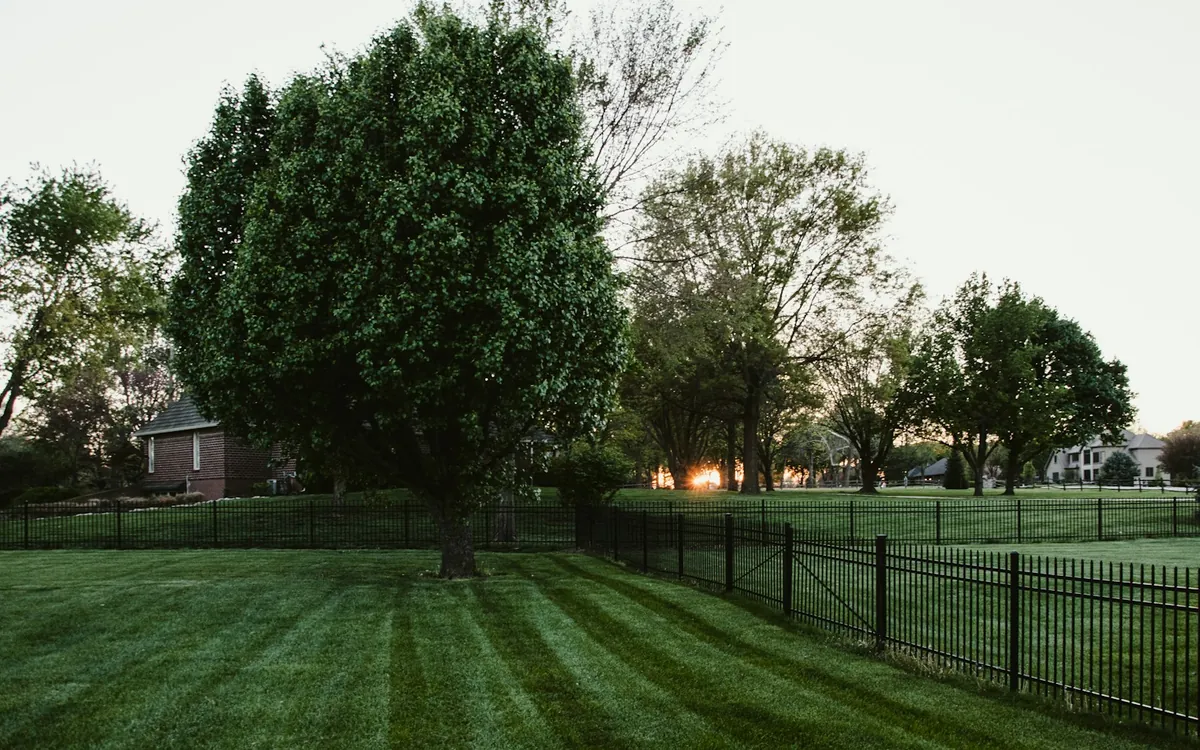
Fine Fescue is a cool-season grass. Start with its growing cycle, then adapt the work to your Alaska yard.
Know the grass you are caring for
Fine fescue is a group of cool-season grasses, including creeping red, Chewings, hard and sheep fescues. Their growth habits differ; the name does not identify one species or cultivar.
Start with your Alaska site
Alaska Extension publishes separate guidance for Southcentral/Interior and Southeast Alaska. Wait for workable, thawed soil; do not import a February treatment calendar. This guide is for an existing fine fescue lawn; its inclusion does not establish that the grass is recommended everywhere in the state.
Plan by growth, not a fixed date
Growth resumes. Resume mowing as growth requires it, once the surface can support equipment. Plan nitrogen with local cool-season guidance rather than assuming every spring lawn needs feeding.
Heat and the main growing period. Use the Alaska establishment guidance for your region and water access. Check warm, workable soil and remaining growing time before repair; a general mainland early-fall window can be too late. Reduce avoidable wear during stress.
Growth slows. Adjust mowing to actual growth. Do not fertilize frozen or snow-covered ground, and protect frosted or saturated turf from repeated traffic.
Mowing and repair
Use the recommendation for your particular fine-fescue mixture and intended appearance. A low-input lawn still needs an establishment and mowing plan. Check the mixture label before reseeding. A suitable fine fescue can fit some lower-input and partially shaded sites, but deep shade and repeated wear still limit turf. See the bare-patch repair guide before preparing a seedbed.
Water and nutrients
Compare moisture beneath a struggling patch with nearby healthy turf and check sprinkler coverage before increasing every zone. There is no reliable national minutes-per-week setting. Use a catch-cup audit to measure what your system applies. For nutrients and pH, request soil-test recommendations for this grass and your measured lawn area; a fertilizer brand does not establish the correct dose.
When a patch looks wrong
Avoid borrowing the feeding program of a higher-input lawn just because it looks darker green. Photograph the whole pattern and close leaf details before selecting a treatment. Brown patches have several possible causes. Confirm the weed, insect or disease and the grass before using a pesticide; follow the current label’s allowed uses, rate, timing and access instructions.
Three useful things to do next
Identify the species or mixture and save its label. Measure the area of actual turf. Start a simple log of mowing, rain, irrigation and unusual patches so the next decision has evidence behind it.
Choose the Alaska establishment window by region and water access
UAF’s Southcentral/Interior reference usually places new-lawn establishment from early June through mid-July, while warning that August seeding without irrigation risks early winter. Southeast guidance instead distinguishes irrigated spring establishment from waiting for reliable summer rain, with at least six weeks before anticipated fall frost. These are regional establishment guidelines, not a statewide deadline or a promise of success. UAF: Lawns in Southcentral and Interior Alaska, reviewed October 2019 · UAF: Lawns in Southeast Alaska, revised September 2024.
Before preparing a patch, write down the Alaska region, current soil condition, anticipated frost, water access and who will monitor the seedlings. Compare that plan with the matching UAF guidance and current local advice. A mainland “fall repair” reminder should not decide the planting date.
Keep your actual fine-fescue species and mixture label with the record. The publications’ older cultivar examples do not establish current stock or suitability for every site. Follow establishment after the first shoots appear.
Sources and local guidance
University guidance supports the species facts and care principles here. Rates and dates in a regional source apply to that region; they are not national prescriptions. Use your local extension office for cultivar, soil-test and treatment decisions.